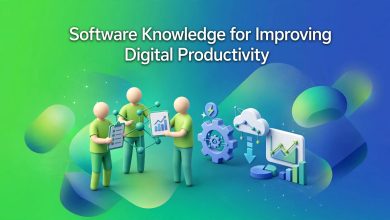
Having knowledge of software will allow individuals and businesses to operate tasks efficiently. Knowing how software functions means tasks can be performed efficiently, reducing manual input. In general, using the correct software can allow tasks to be completed quickly and efficiently. Overall, having software knowledge within businesses allows them to keep up with technological advances, therefore providing a competitive advantage.
Benefits of Software Knowledge
Understanding how to use software will allow tasks to be carried out efficiently. It allows problems to be solved and allows effective management of digital resources. Employees who have good knowledge of software can carry out tasks accurately and efficiently. Businesses also benefit from this as teams with good software knowledge can make the most of technology and increase productivity.
Selecting Correct Software
Selecting the correct software will allow tasks to be completed efficiently in an organisation. Different software can be used in order to manage accounting, communication, document creation, managing customers and project management. Before choosing software, consider what is needed for operations within your business. This means that you can select software to suit individual needs and avoid any confusion. As a result, tasks can be completed more efficiently.
Reduce Manual Input
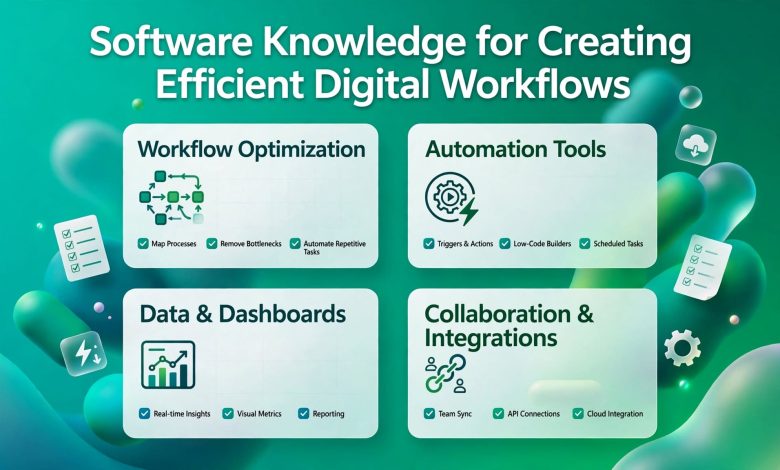
Many pieces of software provide automation functionality. This allows many repeated tasks to be automated, such as sending messages, organising data, producing reports, and completing routine requests. As a result, tasks can be done quicker, there are fewer errors in manual input, and staff members can prioritise more important tasks. If staff members have good software knowledge, companies can determine which tasks can be automated.
Improve Communication
Using digital communication software can improve team collaboration in a business. Email, chat, video calling and collaborative workspaces allow members of teams to quickly communicate with each other. Collaborative software also allows staff members to easily share documents, delegate tasks and monitor progress within projects. If software is used effectively in this way, team coordination will be improved and communication will be faster.

Manage Data
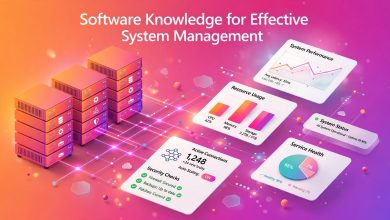
In order to have efficient processes, information must be well managed. Database software, online storage and document management systems can be used to store, retrieve and update important information. Staff members must have knowledge on how to structure files within the system, what permission users should have, and ensure data is standardised. With good management of information, duplicate information can be avoided, information can be more accessible and better decisions can be made.
Secure Data
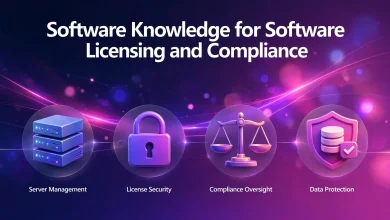
It is important to keep data secure within digital processes. Businesses must avoid unauthorised users accessing sensitive information, viruses and losing information. Staff members must understand how to manage passwords, update software, manage permissions and share files securely. Using trusted security software and following company policies will create a secure working environment.
Integration of Software
Integration between software allows different software to communicate with each other. For example, customer management software can be integrated with accounting and communication software. As a result, data does not need to be input repeatedly, and processes become more efficient. If businesses know how to utilise integration within software, they can improve collaboration between teams and ensure data is standardised in each system.
Gaining New Software Skills
As technology constantly develops, it is important for people using software to continuously learn. Training courses, guides, training sessions and practice can give individuals new technical skills. Companies should encourage staff to find useful functions within software, and be updated on new changes. Overall, increasing software knowledge will increase confidence and prepare teams for changing requirements.
Evaluate Processes
To create efficient processes, processes should be reviewed regularly. Consider how long tasks take to complete, if productivity levels are good, how well the software is working, and collect feedback from employees. If processes are taking too long or having issues with technology, managers can make changes to improve them. Evaluating processes ensures that current software is still meeting the needs of the business. Making regular changes can increase efficiency, helping business development in the future.
Conclusion
Having knowledge of software can create efficient processes. Selecting the correct software, reducing manual processes, improving communication, managing data and keeping data secure can all allow individuals and businesses to have better outcomes. Continuing learning and regularly evaluating processes can increase productivity. In general, developing strong software skills will allow organisations to make the most of technology.

It reduces challenges in operations and creates a more organised and successful digital working environment.
Thanks